
Neuroendocrine Aging: Inflammation, Oxidative Stress, and Cognitive Impairment
An editorial examines how neuroendocrine aging intersects with inflammation and oxidative stress, and how these processes may contribute to cognitive decline. The authors frame the topic as a research priority spanning e
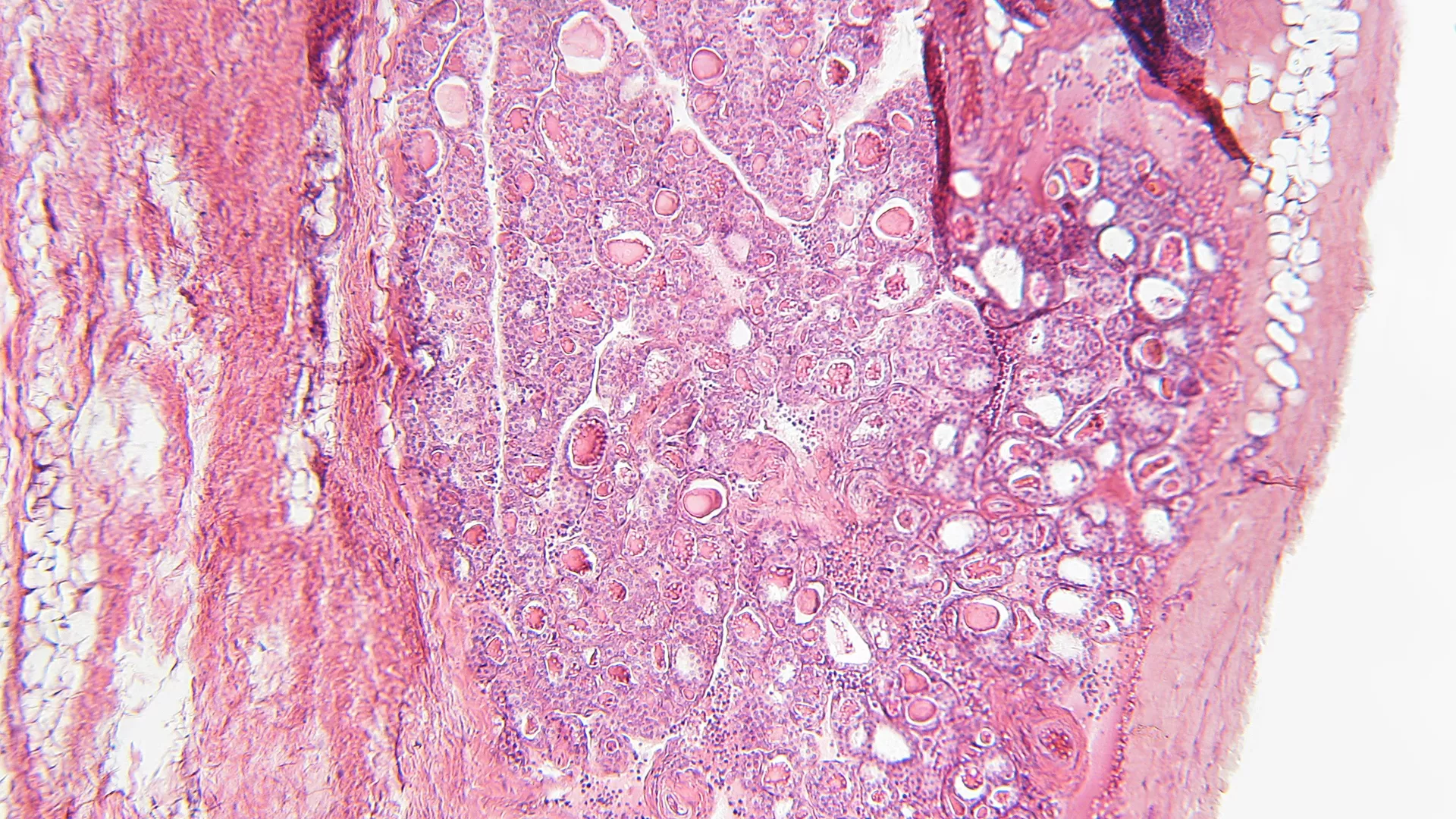
A newly published editorial addresses the intersection of neuroendocrine aging, inflammation, oxidative stress, and cognitive impairment. The neuroendocrine system is central to maintaining homeostasis, linking hormonal signaling with neural control of physiological processes. As this system ages, changes in its regulatory capacity may interact with inflammatory and oxidative pathways, a possibility that carries weight for laboratories studying peptide signaling, metabolic regulation, and age-related cognitive decline. The editorial was contributed by researchers affiliated with the Department of Neurosurgery at Penn State Hershey Medical Center and the Department of Cellular and Molecular Medicine at the University of Ottawa.
The piece is an editorial on a research topic collection rather than an experimental study, so it does not report new primary data, sample sizes, or statistical outcomes. Instead, the authors synthesize and frame the theme, positioning neuroendocrine aging as a convergence point for inflammatory signaling, oxidative stress, and cognitive deterioration. This framing is useful for research groups because it treats these domains as connected rather than isolated, encouraging study designs that measure endocrine, immune, and redox variables together.
Within that framework, the central claim is that aging of the neuroendocrine system does not occur in isolation. Inflammatory activity and oxidative stress are presented as processes that may accompany or amplify neuroendocrine dysregulation, with downstream consequences that include cognitive impairment. The editorial does not specify particular molecular mediators, cytokines, or antioxidant systems, nor does it quantify effect sizes. Its contribution is conceptual: it identifies a research area where mechanistic overlap is plausible and worth systematic investigation.
Several caveats follow from the format. As an editorial, the text offers perspective and direction rather than verified mechanisms or causal evidence. No interventions, compounds, or therapeutic protocols are evaluated, and no clinical recommendations can be drawn from it. Any relationship between inflammation, oxidative stress, and cognitive outcomes described here should be treated as a hypothesis-generating overview, not a confirmed pathway.
For laboratory researchers, the practical value lies in the questions the editorial raises. Studies examining peptide or hormonal signaling in aging models may benefit from including inflammatory and oxidative endpoints alongside cognitive or behavioral measures. The editorial does not endorse any specific reagent, model, or assay. All materials referenced in this context remain for research use only, and nothing in the source supports diagnostic, preventive, or therapeutic application in humans.