
Macrophages at the Crossroads of Fibrosis and Immunosuppression: A Research Topic Overview
An editorial synthesizes contributions on macrophage heterogeneity, showing that the M1/M2 binary fails to capture context-dependent activation states. Matrix stiffness and tumor-derived signals shape macrophage phenotyp
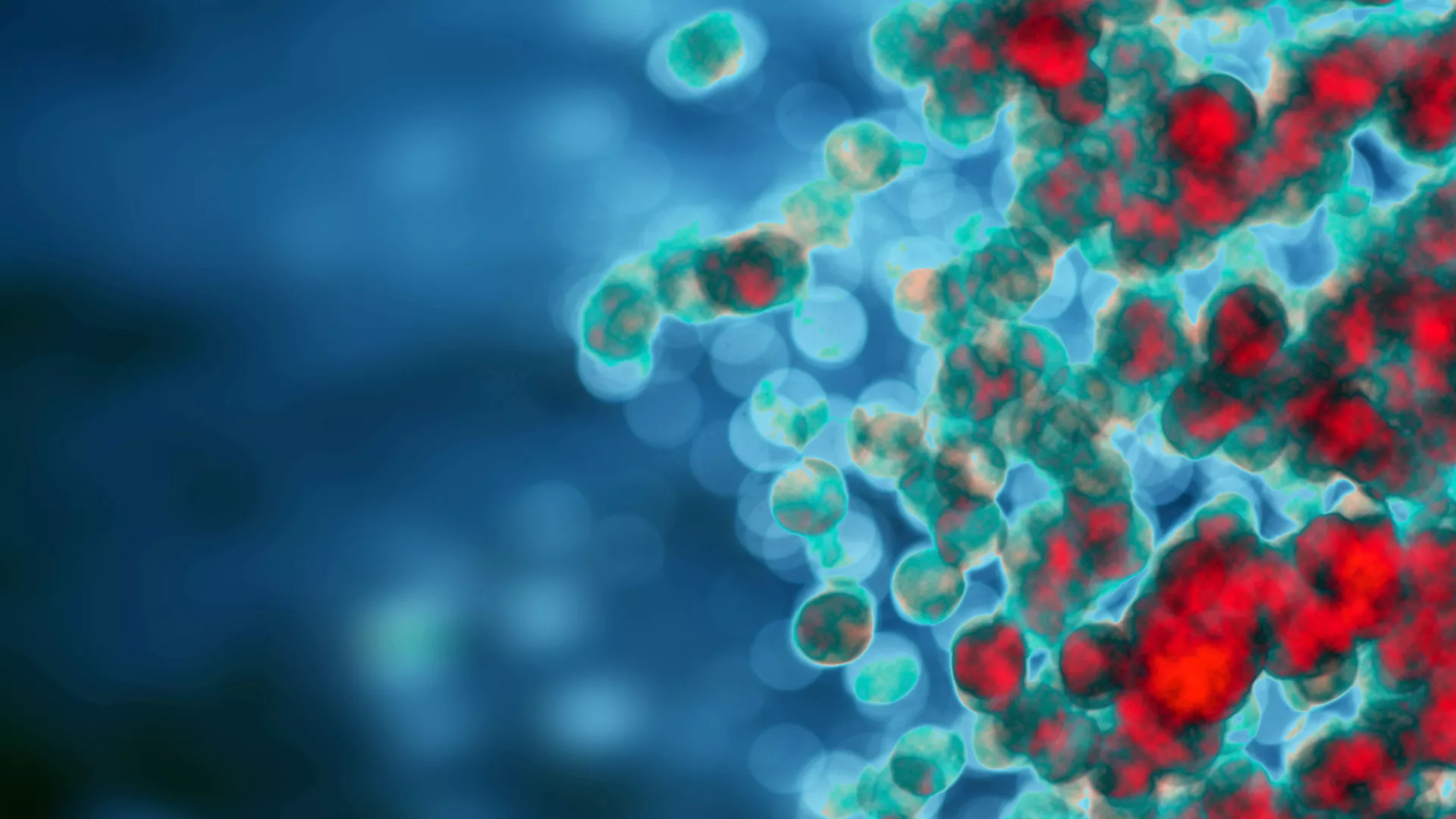
A recent editorial examines a collection of studies focused on macrophage biology at the intersection of fibrosis and immunosuppression. The topic drew contributions from research groups in Italy, Japan, Poland, the United Kingdom, and the United States, reflecting broad international interest in how macrophages influence tissue remodeling and immune regulation. For laboratory researchers working with peptide and metabolic models, the collection offers a consolidated view of how macrophage identity is shaped by local cues rather than fixed polarization states.
The authors highlight that the conventional M1/M2 classification is increasingly seen as an oversimplification. Across the collected papers, macrophage identity emerges as a dynamic continuum influenced by microenvironmental signals, tissue-specific factors, and disease-associated stimuli. In melanoma models, stem-like tumor cells were reported to drive a non-canonical macrophage phenotype with simultaneous inflammatory, interferon-related, pro-angiogenic, and immune-regulatory features, impairing NK-cell cytotoxicity. Reviews on fibrosis, skeletal muscle disease, and TREM2 biology similarly point to interconnected transcriptional, metabolic, and epigenetic circuits that transcend binary polarization.
Several contributions focus on how tissue microenvironments direct macrophage behavior. Using tunable three-dimensional collagen scaffolds, one study showed that increased matrix stiffness alters macrophage phenotypes during coculture with fibroblasts, promoting expression of CD54 and CD140a, markers linked to inflammatory and fibrotic processes. In breast cancer, tumor-derived miRNAs were found to shape tumor-associated macrophage plasticity through extracellular vesicle-mediated communication, supporting immune suppression and metastasis. Other work links complement activation to M2-like macrophage accumulation during hepatic injury and identifies TMEM106A-dependent chemokine signaling in atherosclerosis-related inflammation.
Immunometabolism is another recurring theme. Rather than being secondary to activation, metabolic programs such as glycolysis, oxidative phosphorylation, redox homeostasis, and lipid metabolism are presented as key determinants of macrophage identity. The editorial also notes the utility of in vitro models like HMC3 microglial cells for studying adaptability across neurodegenerative contexts, including oxidative stress and autophagy dysregulation.
These findings remain preclinical and are based on diverse experimental systems, so they should not be interpreted as clinical guidance. The collection underscores the need for physiologically relevant models and careful contextual interpretation when studying macrophage-driven mechanisms. For research-use-only laboratory work, the takeaway is that macrophage responses are highly plastic and dependent on matrix, metabolic, and intercellular signals, which must be accounted for in experimental design.