
Amazon Trending Report Highlights Consumer Demand for Borosilicate Glass and Retinol Eye Products
A recent roundup of popular Amazon items features borosilicate glassware and a retinol-infused eye balm. The list reflects consumer interest in durable materials and topical formulations.
A recent consumer trends report highlighted a selection of products gaining popularity on Amazon, including a borosilicate glass water pitcher and a retinol-based under-eye balm. While the article is not a scientific study, it offers a snapshot of consumer preferences that may intersect with laboratory research interests, particularly in materials science and topical formulation development.
The report described the Baffect Water Pitcher as crafted from heat- and cold-resistant borosilicate glass, available in hammered or vertical stripe designs, with a gold stainless steel lid and strainer. Separately, the CITYGOO Retinol Eye Stick was noted as a smoothing under-eye balm infused with retinol and hyaluronic acid. No further details on concentrations, delivery mechanisms, or stability data were provided in the source.
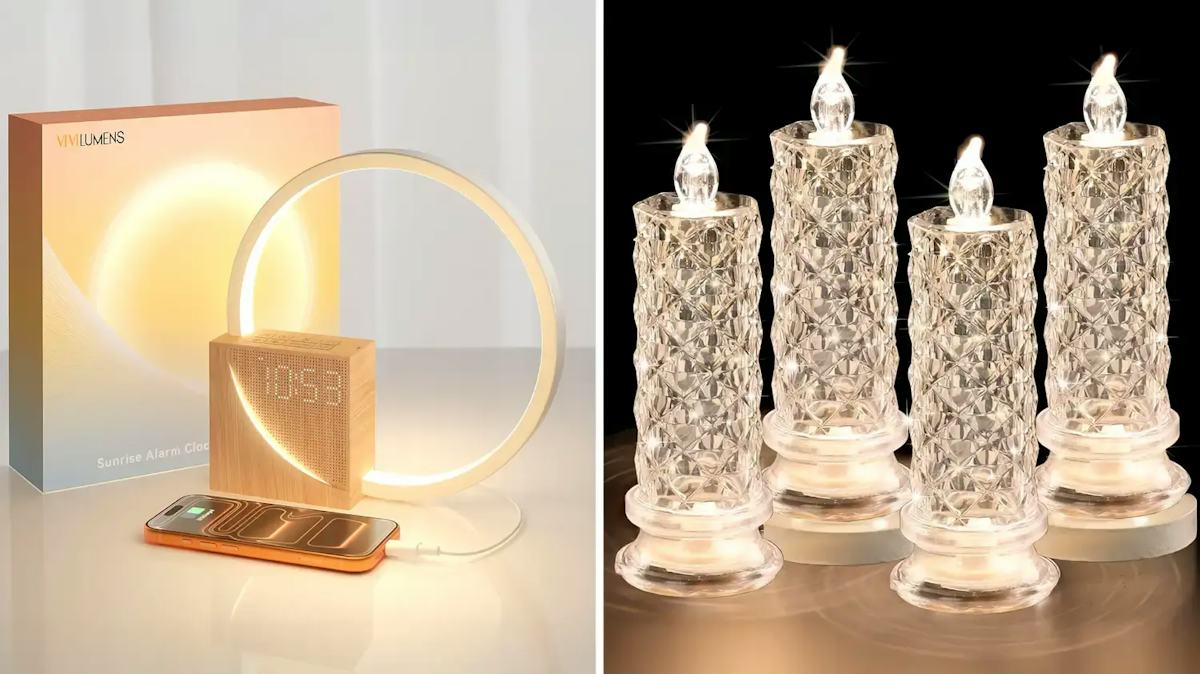
Other items in the roundup included an LED vine light, a cast aluminum fluted loaf pan, transparent LED candles, a claw clip/scrunchie hybrid, a stained glass window film, and a sunrise alarm clock. These products span home decor, kitchenware, and personal care, reflecting a broad range of consumer interests rather than a focused scientific theme.
The authors of the original piece did not present experimental data, clinical outcomes, or peer-reviewed findings. The information is based on Amazon shopper reviews and trending status, which are subjective and not validated by laboratory testing. As such, any connections to peptide or metabolic research are speculative and should not be interpreted as evidence of efficacy or safety.
For laboratory professionals, this type of consumer trend reporting can serve as informal market intelligence, but it does not replace rigorous scientific literature. Researchers should continue to rely on controlled studies and peer-reviewed sources when evaluating materials or compounds for research purposes. This article is intended for informational use only and does not constitute medical or product advice.