
Pool vs Single Sample Determination of Serum Prolactin to Explore Venipuncture-Associated Stress Induced Variation
Stress causes transient hyperprolactinemia, while venipuncture is a source of stress for patients. This study investigated the association of venipuncture-induced stress with elevation of serum prolactin.
Transient hyperprolactinemia is frequently observed in clinical settings, often attributed to physiological stressors such as venipuncture. In laboratory research involving peptide metabolism and hormonal assays, accurate quantification of serum prolactin is critical for interpreting metabolic responses. However, the impact of procedural stress on sample integrity remains a variable that can compromise data reliability.
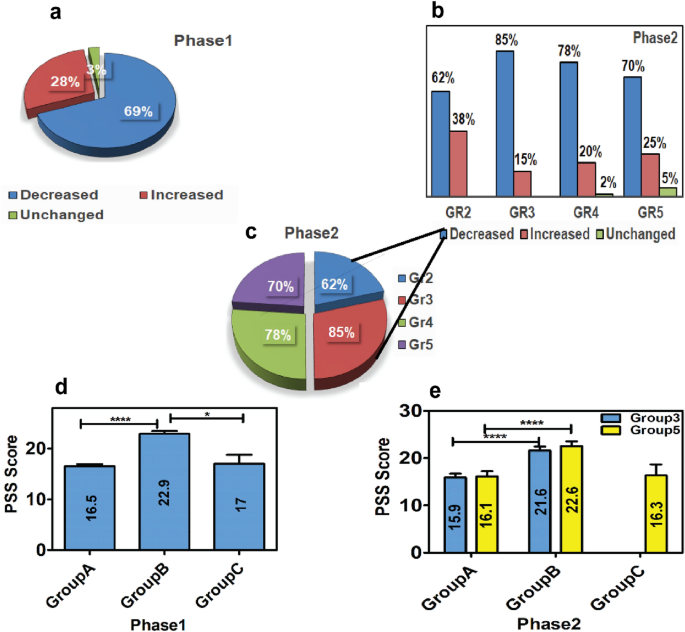
This cross-sectional observational study was conducted on 150 outdoor patients visiting a tertiary care hospital. Researchers performed serial sampling by drawing venous blood at different time intervals (0, 30, and 60 minutes) via single venipuncture to measure serum prolactin levels. The investigation aimed to determine whether pooling samples could mitigate the variability introduced by stress-induced hormonal fluctuations.
The study was executed in two phases, with results segregated into specific groups for comparison. In Phase 1, Group 1 represented samples collected at 0 minutes, while Group 5 consisted of a pool prepared from samples collected at 0, 30, and 60 minutes. Similarly, Phase 2 included five distinct groups, including an average calculation across three time points and a pooled sample group. Statistical analysis revealed a significant decrease in mean prolactin levels in the pooled samples compared to those collected at 0 hours (p = 0.0003 in Phase 1; p = 0.02 in Phase 2).
Despite the reduction in mean prolactin values, there was no significant difference between the pooled samples and the average prolactin calculated after individual testing from each sample collected at 0, 30, and 60 minutes. This suggests that pooling may effectively conserve time and resources without compromising the accuracy of the analytical results. The findings indicate that venipuncture-triggered fear and apprehension can result in transient hyperprolactinemia, which is a critical consideration for laboratory protocols.
The authors conclude that measurement of the analyte from pooled serum is a better alternative to performing multiple tests on samples collected at different time intervals. This approach allows for efficient resource management while maintaining data integrity. However, this research should be interpreted within the context of its specific methodology and population, as it does not provide clinical recommendations for patient care.