
In Vitro Biological Potential of Green-Synthesized Nanoparticles from Egyptian Bivalve Paratapes undulatus
This study investigates the chemical profile and multifunctional biological properties of P. undulatus ethanolic extract and its green-synthesized nanoparticles (ZnO, Ag, and Se). The biosynthesized NPs were characterize
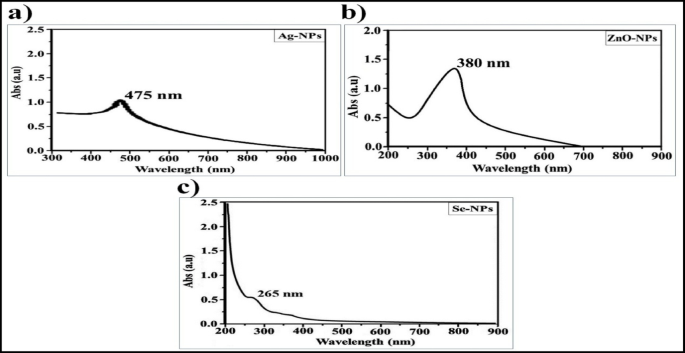
Egypt's coastal waters host a diverse array of edible bivalves, including clams, mussels, and oysters. Among these, the Mediterranean clam Paratapes undulatus (Born, 1778) possesses substantial ecological and nutritional importance. This study investigates the chemical profile and multifunctional biological properties of P. undulatus (Pu) ethanolic extract and its green-synthesized nanoparticles (ZnO, Ag, and Se). The biosynthesized NPs were characterized via UV-Vis spectroscopy and transmission electron microscopy (TEM).
GC–MS profiling revealed a rich spectrum of bioactive metabolites, including porphyrins, organosilicon compounds, sulfur derivatives, and steroids, which serve as natural stabilizing and capping agents during nanoparticle formation. The in vitro biological activities of the extract and nanoparticles were investigated. Anticancer potential was assessed against human colorectal adenocarcinoma (Caco-2) and hepatocellular carcinoma (HepG-2) cell lines.
Results indicated that green synthesis markedly enhanced the extract's biological performance. Pu–SeNPs exhibited the highest potency, demonstrating superior antioxidant (DPPH, ABTS, NO), antidiabetic, anti-Alzheimer's, anti-arthritic, and anti-inflammatory activities. Pu–ZnO NPs showed significant bioactivity, though less pronounced than the selenium counterparts. In contrast, Pu–AgNPs displayed minimal improvement over the crude extract.
Notably, the apoptosis marker revealed that the unmodified extract was the most effective formulation against Caco-2 cells. However, the biosynthesized nanoparticles exhibited inconsistent efficacy against HepG-2 cells, necessitating further mechanistic investigation. Paratapes undulatus-mediated green synthesis, particularly for selenium nanoparticles, represents a promising multifunctional beneficial platform.
These findings highlight the potential of marine-derived bivalve extracts in developing sustainable, bio-based nanomedicines to combat oxidative stress, metabolic disorders, neurodegeneration, and selective oncogenic pathways. The authors emphasize that these results are preliminary and require further validation before clinical application.