
Evidence on Isometric Training for Strength and Hypertrophy
While conventional wisdom suggests dynamic training outperforms static methods for muscle growth, recent literature indicates isometric resistance training may be equally effective when applied correctly.
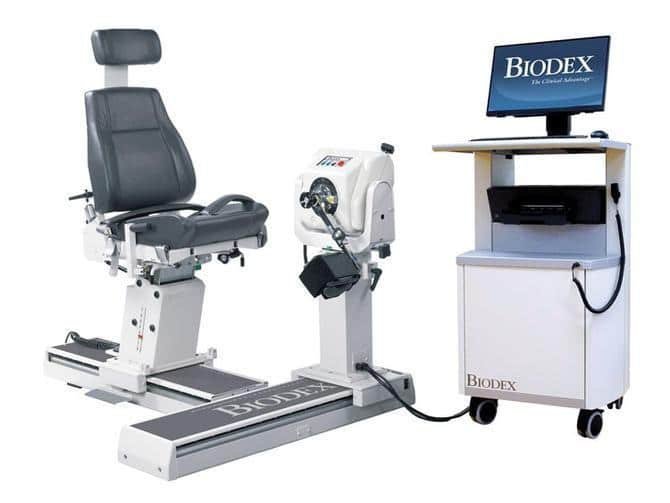
Resistance training is commonly performed dynamically using a full range of motion. Isometric training has long been thought to be inferior to dynamic training for increasing muscle strength and size. This article explores why the current evidence doesn't support those claims, which matters significantly for laboratory peptide research contexts where metabolic pathways are often studied in relation to mechanical loading.
The authors define three primary muscle actions: isotonic, isometric, and isokinetic. Isotonic muscle actions involve constant tension with changes in length, consisting of concentric (shortening) and eccentric (lengthening) phases. Isometric actions maintain constant muscle length while maintaining tension, though slight fascicular shortening or tendon elongation may occur during the contraction.
The main findings indicate that isometric training does not inherently lack effectiveness for strength and hypertrophy compared to dynamic training. The article reviews literature comparing isometric versus dynamic/isotonic training, suggesting that misconceptions often stem from poor application rather than inherent limitations of the modality. Proper programming variables are essential for optimizing outcomes.
Limitations include the need for careful application beyond simple static holds like planks or wall sits, which may not yield significant growth in undertrained individuals. The research emphasizes that isometric training has applications beyond strength and hypertrophy, including tendon rehabilitation and pain management. This paper serves as a practical guide for applying isometrics in training contexts rather than medical advice.