
Amylin: Emergent Therapeutic Opportunities in Overweight, Obesity, and Diabetes Mellitus
Amylin is a peptide hormone involved in satiation. Amylin mimetics have potential as therapies for obesity and diabetes mellitus, but clinical development has proven challenging.
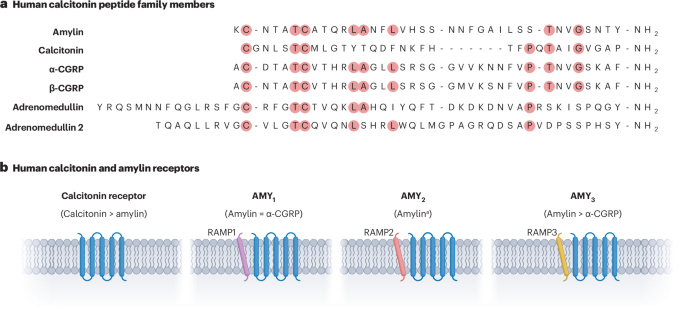
Amylin functions as a co-secreted hormone with insulin from pancreatic beta cells, playing a critical role in regulating postprandial glucose levels and promoting satiety. Its physiological actions include slowing gastric emptying and increasing feelings of fullness, making it an attractive target for metabolic research into weight management and glycemic control.
This review examines the current landscape of amylin-based therapeutics within the context of obesity and type 2 diabetes mellitus. The authors outline the historical challenges associated with developing effective amylin mimetics, including issues related to stability, delivery mechanisms, and off-target effects that have historically hindered clinical translation.
Despite these obstacles, several amylin analogues have demonstrated efficacy in preclinical models and early-phase human trials. Some compounds have shown promise in improving glycemic control and reducing body weight in patients with type 2 diabetes, though results remain variable across different studies. The review highlights ongoing efforts to optimize peptide structure for enhanced bioavailability and therapeutic window.
It is important to note that while amylin mimetics show potential, clinical development has encountered significant hurdles. Many candidates failed to meet primary endpoints or were discontinued due to adverse events or lack of efficacy in later-stage trials. These findings underscore the complexity of translating basic physiological insights into robust therapeutic interventions for metabolic disorders.